Search SevenCapital


 BACK
How To Buy an Off-Plan Property?

Buying an off-plan property means agreeing to purchase a home before it has been built, selecting your unit(s) from floor plans, representative computer-generated images (CGIs), marketing materials and, often a show apartment. It is a relatively common route into new build developments by SevenCapital and many other developers across the UK.
Buyers often choose to invest in off-plan property for several reasons, commonly because it offers more choice of unit and position within a wider development, in a good market; it provides the potential for capital gains by the time you complete, based on buying early at current market rates and market values rising during the build process; and of course it means a completely brand-new place to live.
This guide is for first-time buyers, home movers, investors, and overseas buyers alike who want to understand how to buy an off-plan property in the UK before committing.
Below, we cover how the process works, the benefits, the risks of buying an off-plan property, and the costs to plan for, so you can weigh the benefits of off-plan property investment against the practical realities before you commit.
What Is an Off-Plan Property?
An off-plan property is a home you agree to buy during the construction phase and before the build is completed. You select your property based on floor plans, specifications, CGIs and/ or a show home rather than walking through the finished home itself.
This differs from a completed new-build property, which is ready to view and move into straight away. Buyers typically reserve an off-plan property early in the construction phase, with the benefit of being able to choose their ideal unit type and position from across most of the development.
This off-plan property guide for UK buyers aims to provide a general overview of what off-plan property is, the basic process of buying, and the pros and cons to consider when deciding if it’s the right method of buying or investing for you.
How the Off-Plan Buying Process Works
Understanding the process of buying an off-plan property in the UK is perhaps the first step to consider.
Step 1: Location, location, location. Research and understand the market in the location you wish to buy into. There are multiple factors to consider: is it an area where homes are generally in high demand? Is it in or by a regeneration area, and what impact is that due to have on the area? How are property prices expected to perform over the next 5-10 years? Finally, what type of property is typically most in demand in that area?
Step 2: Developer due diligence. Look at the developer’s track record, product, testimonials and financial stability. You want to be confident you’re investing with a trusted developer.
Step 3: Reserve your property. Once you have agreed on your chosen plot, you will be required to pay a reservation fee to the developer, which the sales consultants will arrange with you..
Step 4: Instruct a solicitor. They handle the legal due diligence, such as contracts, searches and paperwork on your behalf.
Step 5: Instruct a mortgage broker: If you are buying with a mortgage, a broker will be able to find you the best deal for your personal financial situation and apply for a mortgage in principle.
Step 6: Exchange contracts: This is when the purchase becomes legally binding, and your exchange deposit is paid – usually circa 10% of the purchase price and within 28 days of reservation.
Step 7: Construction progress. Your solicitor and the developer keep you updated as the build moves forward.
Step 8: Completion. Once the property is completed and ready to move in, you need your mortgage funds released to pay the remaining balance, pay the SDLT (stamp duty land tax) and complete legal ownership transfers to you.
Step 8: Moving in. You collect the keys, complete a handover inspection, and move into your new home.
What Are The Advantages of Buying an Off-Plan Property?
The benefits of off-plan property investment go well beyond simply owning something new, which is why so many UK off-plan apartments for sale attract strong early interest.
- A wider choice of plots and floors, with more say over aspect and orientation
- The opportunity to personalise spec and finishes, where the developer allows it
- A brand-new home that nobody else has lived in
- Higher energy efficiency than older housing stock, keeping your utility bills to a minimum
- Well-designed, practical layouts designed for modern living
- Lower maintenance costs (this is likely to be covered within the payable service charge on leasehold apartments)
- A new home warranty covering structural issues
- Time to prepare your finances before completion falls due
- Community-focused developments with shared amenities in new build neighbourhoods
- Potential for capital gains from early purchase within a strong, growing property market
What Are The Key Considerations Before Buying Off-Plan?
As with any investment, there are always risks of buying off-plan property alongside the benefits, so making sure you understand them helps to protect you and your finances.
- Construction timelines can shift, sometimes by several months, due to weather, materials, labour or unexpected issues arising during the build process.
- Mortgage validity matters too, since most offers only last three to six months and may need renewing if completion slips.
- Market conditions can change between reservation and completion, affecting valuations, so doing your location and market research early on, but being aware of this from the outset is crucial.
- Specification changes occasionally happen due to rising costs or availability, so check what is guaranteed in writing rather than assumed from marketing images.
- Deposit requirements vary by developer, typically 10% at exchange. Read the reservation agreement carefully, and note the expected completion date, since this is usually indicative rather than fixed this early in the build.
Understanding the Costs
Buying an off-plan property involves several costs beyond the purchase price, so it is important to factor these additional expenses into your budget from the outset.
- Reservation fee
- Deposit
- Stamp Duty Land Tax (SDLT)
- Legal fees
- Mortgage fees
- Survey, if applicable
- Moving costs
- Service charges, where applicable
How To Choose the Right Developer?
A strong track record of completed developments and financial stability all provide indications that you are buying into a trustworthy developer
Read customer reviews, check build quality on previous schemes, ask about transparency during construction, and confirm who provides the new home warranty.
Off-Plan vs Completed New-Build Homes In The UK
| Buying Off-Plan | Buying a Completed Home |
| Reserve early for the best choice of plots | Immediate move-in |
| Potential customisation | View the finished property |
| Construction period to plan around | Available now |
| Plan ahead financially | Faster overall completion |
| Potential for short-term capital gains during the build process, depending on how early you exchange and how strong market growth is | Shorter buying timeline |
What Are Some Tips for Buying an Off-Plan Property with Confidence?
For UK buyers considering an off-plan property, careful research and preparation are essential. These practical tips can help you assess the property, understand the risks and make a more informed purchase.
- Research the developer thoroughly before reserving
- Research the location and market
- Read the reservation agreement in full
- Understand the build timeline and understand that unforeseen issues can occasionally affect it
- Budget for all purchase costs, not just the deposit
- Stay in touch with the developer during construction
- Review specifications carefully before you commit
- Work with experienced solicitors and mortgage brokers
Is Buying an Off-Plan Property Right for You?
Off-plan buying may suit you if you understand the risk, can plan ahead and remain patient during construction. In return, you get a modern, energy-efficient home in the most ideal position for you, with potential for personalisation and, depending on the market and the stage you reserve, an opportunity for a value increase by the time you’ve completed.
Success ultimately depends on understanding the market, the buying process and choosing a reputable developer. For the savvy buyer, there can be many benefits of off-plan property investment.
Many exploring buying an off-plan property in the UK for the first time find that new build developments by SevenCapital offer exactly this kind of clear, well-supported process.
FAQ
It means agreeing to purchase a home before it is built, during the construction period.
You research, reserve, apply for a mortgage, exchange contracts, then complete once the build finishes.
Greater choice, potential customisation, a brand-new home, and depending on your entry point and the strength of the market, capital growth potential.
As with any investment, you must understand the risks of buying off-plan property, including construction timelines, mortgage validity, market conditions and the terms of your reservation agreement.
Unless you are a cash buyer, you will need to prove your eligibility for a mortgage, which a mortgage broker can help you with.
Yes. Off-plan completion dates are typically indicative and can shift during construction.
Most come with a 10-year structural warranty from the developer’s warranty provider.
Some developers allow finish choices, though this varies by development and how early you reserve.
Reservation fee, deposit, Stamp Duty Land Tax, legal fees, mortgage fees and moving costs.
Check their track record, completed developments, customer reviews and financial stability before reserving.
FEATURED DEVELOPMENT
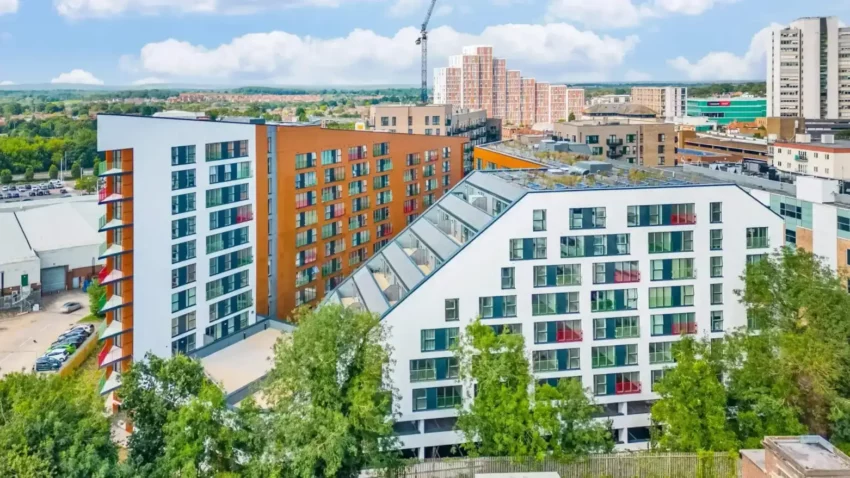
 Bracknell
 1 & 2 Bed
 Ready To Move In To
The Grand Exchange
- 242 completed apartments for sale across two buildings
- Exclusive resident-only amenities
- Prime location within the London Commuter Belt
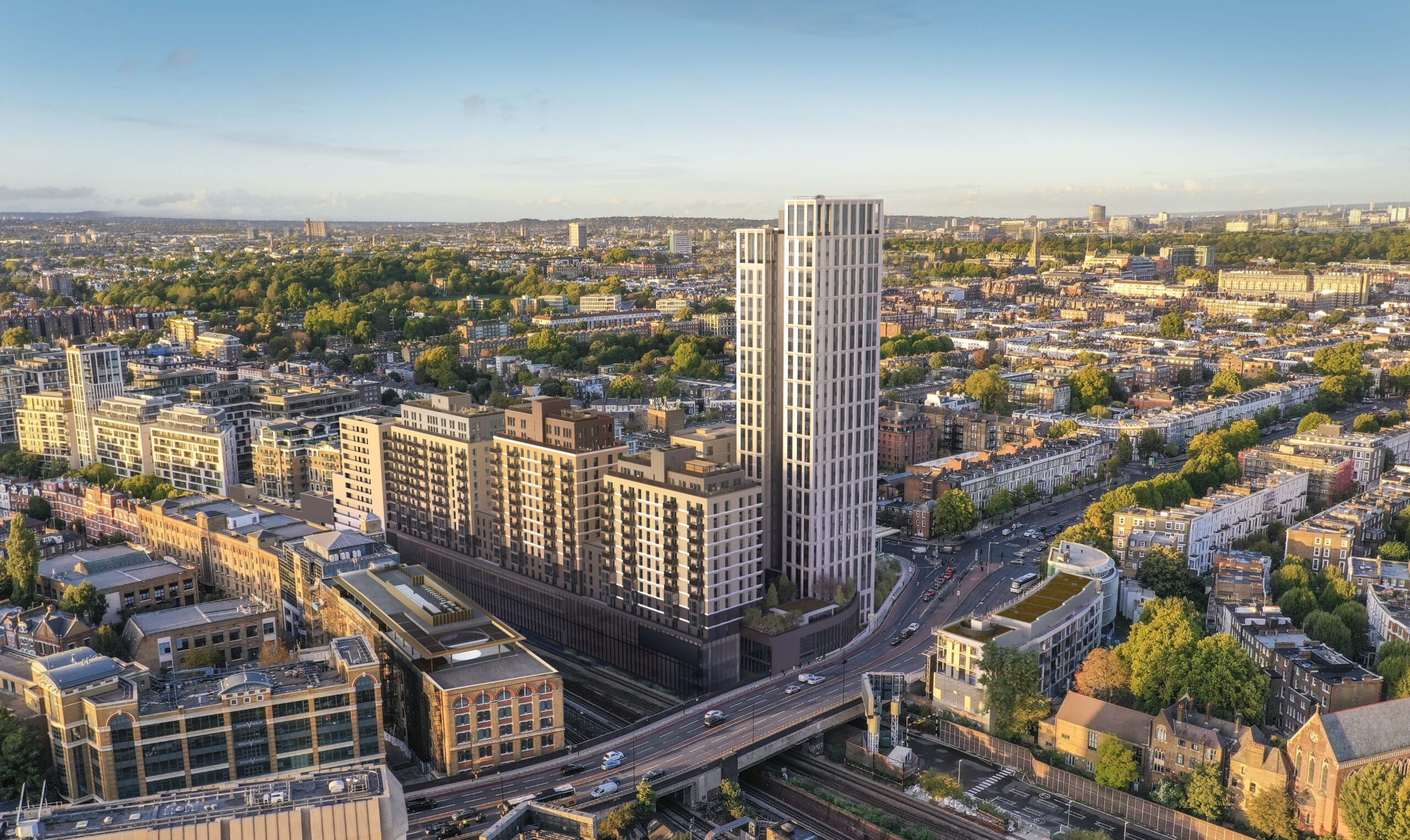 London
Studio, 2, 3 & 1 Bed
Coming Soon
100 Kensington
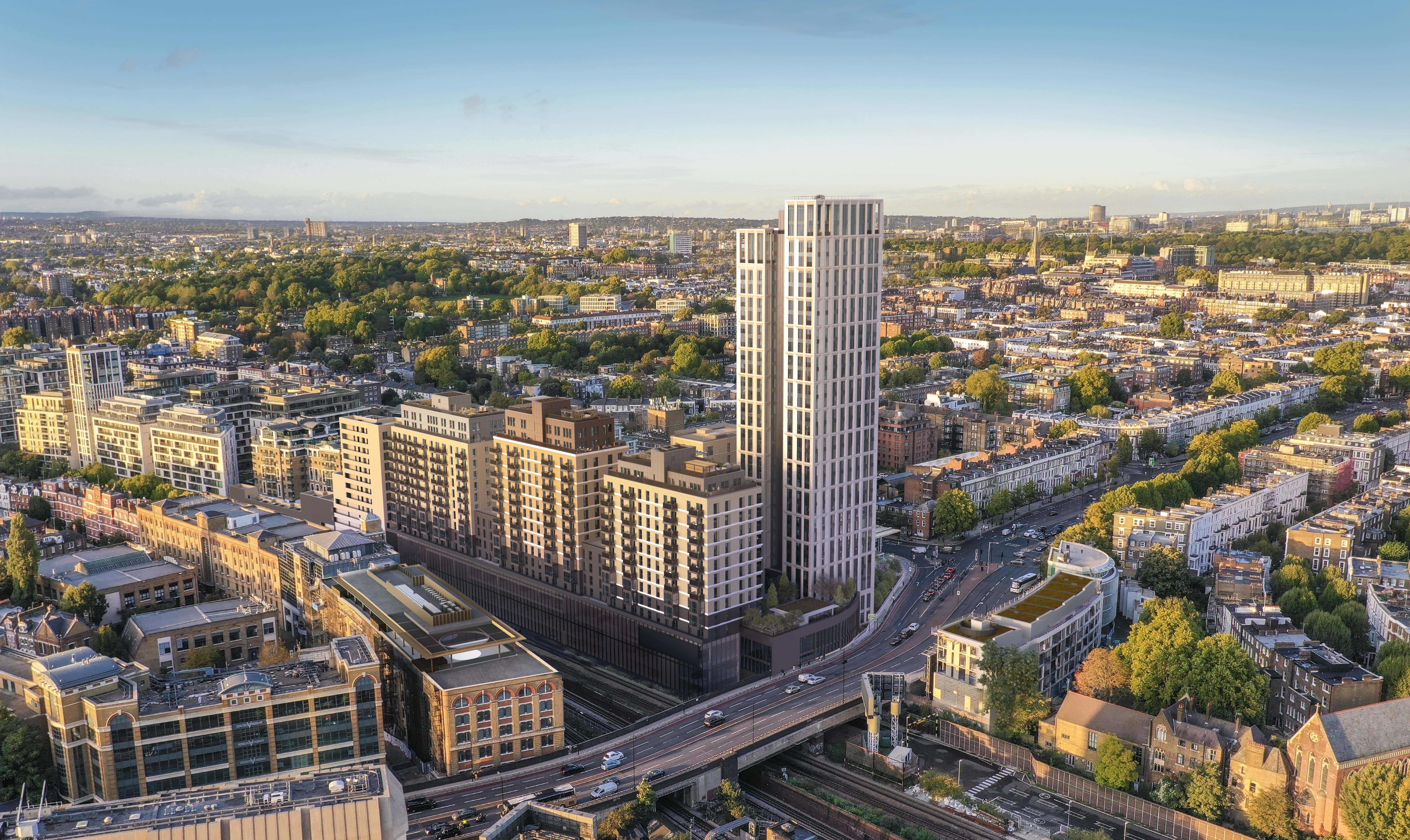
- 276 exquisite private apartments in the highly sought after location of Kensington
- Features the tallest residential tower in the Royal Borough of Kensington and Chelsea
- Marketing suite now open for presales by appointment only.
LATEST ARTICLES
News and insights
SevenCapital and Mark Announce Corporate Membership Agreement Between 100 Kensington and the V&A