Search SevenCapital


 BACK
UK Property Buyer’s Guide 2026

Buying a home in the UK is often considered to be a major financial investment – whether it is a home for yourself or an investment property. And there are several key financial and legal stages and costs that need to be factored in over the course of the buying process – which on average takes between three and six months, or sometimes even longer depending on if there is a chain involved.
This UK property buyer’s guide explains the process in practical terms for first-time buyers, home movers and investors alike.
Understanding the UK Property Market
How to buy a house in the UK: the first step is perhaps the most obvious part, which is deciding exactly what type of property you want to buy, and where you want to buy it.
UK residential property includes detached and semi-detached houses, terraced houses, flats/ apartments, bungalows and maisonettes. Properties can also be sold as freehold or leasehold, and that distinction can affect your ownership rights, ongoing costs and responsibilities.
With a freehold property, you generally own the building and the land it stands on. With a leasehold property, you purchase the right to occupy the property for the remaining term of the lease (commonly 999 years for a newbuild or modern apartment or 99-125 years for an established home. Anything less than 80 years and you may find that lenders are more reluctant). Flats and apartments are commonly leasehold, although the exact ownership structure varies between developments.
Location also has a direct effect on what your budget can buy. Compare specific neighbourhoods rather than relying only on average city or regional prices. Look at:
- Distance to your workplace or regular travel routes
- Proximity to key transport connections
- Local schools and catchment areas if relevant to your household
- Proximity to supermarkets, healthcare facilities and other essential services
- Planned infrastructure and regeneration projects; crime levels and the character of the surrounding area
- Local property demand and comparable recent sales
- Council tax bands
- Energy performance and likely heating costs
How to Prepare to Buy a Property?
Before you start viewing properties, get a clear picture of your finances and how much you can comfortably afford to spend.
1. Set a realistic budget
Start with the funds you have available for the deposit. Then calculate the maximum mortgage you could potentially obtain and, more importantly, the monthly payment you would be comfortable making.
It goes without saying you need to remember that your monthly calculation should leave room for household bills, council tax, insurance, transport, maintenance, savings and unexpected expenses.
Your Mortgage affordability should also account for changes in interest rates either at the end of a fixed rate period, or if you choose a variable or tracker mortgage. A useful calculation is:
Available deposit + affordable mortgage = approximate property budget
Then subtract your expected purchase costs. This gives you a more realistic figure for the price of the property you can actually target.
2. Check your credit profile
Mortgage lenders assess your financial history when deciding whether to lend. Before applying, check your credit report for incorrect information and make sure existing credit commitments are accurately recorded.
Avoid taking on unnecessary new borrowing immediately before a mortgage application. Lenders will look at your income, expenditure, existing debts and financial commitments when assessing affordability.
3. Build a separate fund for purchase costs
As well as the funds available as a deposit on your chosen property, you will also need to factor in other Property purchase costs, such as:
- Stamp Duty Land Tax, where applicable
- Solicitor or conveyancer fees
- Property searches
- Survey fees
- Mortgage arrangement or product fees
- Mortgage broker fees, if applicable
- Land Registry fees
- Valuation fees, depending on the mortgage
- Removal costs
- Buildings and contents insurance
- Leasehold service charges, where applicable
- Ground rent, where applicable under the lease
- Initial repairs, furnishing or appliances
Buying with a mortgage?
If you intend to buy with a mortgage, one of the first steps is usually to apply for and obtain an Agreement in Principle, also called an AIP or Decision in Principle.
This gives you an indication of how much a lender may be prepared to lend based on information available at that stage, and often can be obtained without the lender running any hard searches on your credit report.
It is not a final mortgage offer, but estate agents may ask whether you have one before accepting an offer or even allowing you to view a property.
When the time comes to actually apply for a mortgage, most people choose to apply via a qualified and trusted mortgage broker, who can easily navigate and guide you through the process, identify your best options and make the application on your behalf.
For practical mortgage advice, contact a qualified mortgage advisor who can explain your options, guide you through the process and make applications for you on your behalf.
How To Choose the Right Property?
Once you have your budget worked out, you need to find your ideal property.
The first step in this is, more often than not, location and whether you can afford your desired location and if not, where else would you be willing to look.
Once this is decided, you want to think about what your needs and desires are in a property – along with whether you want a modern, efficient new-build, or you prefer the character of an older period property, or somewhere in between.
Then it can be helpful to break down your non-negotiables versus what you’re willing to compromise on, for example:
- Essential: Features you cannot compromise on, such as a specific number of bedrooms, balcony, garden, additional storage, accessibility requirements, parking if you own a vehicle or proximity to a workplace.
- Preferred: Features that would improve the property but may not be complete deal-breakers, such as a.
- Optional: Features you would like but would be willing to sacrifice for the right location or price.
When you eventually get to the viewing stage, it’s also wise to check the condition of the property, so for example, are the windows double-glazed, how old and secure are the doors, do the walls show any signs of cracking, and so on.
If you’re looking at a leasehold property, it’s useful at this stage to consider:
- Remaining lease term
- Current service charge
- Ground rent
- Planned major works
- Building insurance arrangements
- Restrictions contained in the lease
- Whether pets, subletting or alterations are restricted
- Management arrangements
New-Build vs Existing Homes
There is no universal winner between a new-build and an existing property. The better option depends on your budget, priorities and willingness to deal with maintenance or renovation. Some considerations are listed below.
| New-Build Homes | Existing Homes |
| Modern layouts and fittings | Traditional character |
| Generally higher energy efficiency | Energy performance varies |
| Lower initial maintenance requirements | May require repairs or renovation |
| New-home warranty may apply | Existing warranties vary |
| Often includes modern communal facilities | Established local surroundings |
| May offer incentives from the developer | Greater scope for negotiating on some properties |
When buying a new-build home, ask what is included in the advertised price. Flooring, upgraded kitchens, appliances, parking and other extras may be optional depending on the development.
You should also check the home’s expected completion date if you are buying off-plan, warranty arrangements and the developer’s track record.
How To Buy an Off-Plan Property?
Buying off-plan means committing to a property before construction is complete. You may be shown floor plans, specifications, CGI images and a show apartment rather than the finished property itself. The process commonly involves:
- Selecting a plot or apartment.
- Paying a reservation fee, where required.
- Instructing a solicitor.
- Reviewing the contract and property documentation.
- Arranging mortgage finance where applicable.
- Exchanging contracts and paying the required deposit.
- Waiting for construction to reach the relevant stage.
- Completing the purchase once the property is ready and contractual requirements have been met.
One potential advantage is that you may be able to select your preferred floor, orientation, layout or specification before the development is completed. Depending on the market and contract, there may also be potential for the property to increase in value before completion.
However, off-plan purchases carry specific risks. Completion dates can change, and the mortgage product or financial circumstances you had when reserving the property may not remain available when the property is ready.
Before committing, understand the reservation terms, exchange deadline, anticipated completion date, deposit requirements and what happens if the development is delayed.
Investors evaluating buy-to-let property opportunities should also calculate expected rental income against mortgage payments, service charges, management costs, insurance, maintenance and applicable taxes.
For more detail, see this guide to buying off-plan.
The Property Buying Process
The UK residential property buying process becomes much easier to manage when you know what should happen at each stage.
1. Find a suitable property
Search within your confirmed budget and compare properties based on total cost, location, condition and long-term suitability.
2. Make an offer
Once you have identified a property, submit an offer through the estate agent. Your offer can be subject to contract and, where relevant, subject to a satisfactory survey.
Remember that an accepted offer is not normally the same as a legally binding purchase in England and Wales. The position differs in Scotland, where the process operates differently and offers can become binding at an earlier stage.
3. Instruct a solicitor or conveyancer
Your legal representative handles the legal work involved in transferring the property to you. They investigate the title, order searches and raise enquiries with the seller’s solicitor.
4. Complete your mortgage application
If you are borrowing, provide the lender with the required financial and property information. The lender may arrange a valuation before issuing the formal mortgage offer. All of this can also be handled by a mortgage broker on your behalf if you prefer to use a professional.
5. Arrange a survey
A lender’s valuation is not necessarily the same as a detailed survey for your benefit. Depending on the property, you may choose a Level 2 or Level 3 survey.
Older, unusual or extensively altered properties may justify a more detailed inspection.
6. Complete the conveyancing checks
The Conveyancing process includes title checks, property searches and legal enquiries. For leasehold properties, your solicitor should also review the lease and relevant management information.
7. Exchange contracts
Once the legal work and mortgage arrangements are ready, contracts can be exchanged. At this point, the transaction becomes legally binding in England and Wales, subject to the terms of the contract.
8. Complete the purchase
On completion day, the purchase money is transferred to the seller’s solicitor. Once completion is confirmed, you can collect the keys and take possession of the property.
9. Pay applicable taxes and register ownership
Your solicitor normally handles the relevant tax return and Land Registry registration. In England and Northern Ireland, this includes Stamp Duty Land Tax where applicable. Scotland and Wales have their own property transaction taxes.
What Is Freehold and Leasehold?
Freehold vs leasehold is one of the most important distinctions to understand before purchasing a property.
With freehold ownership, you generally own the property and the land. With leasehold ownership, you own the leasehold interest for the remaining term of the lease.
If you are buying a leasehold flat, do not stop at the purchase price. Ask for the current service charge, historical charges, planned major works and lease length.
A short remaining lease can create difficulties when selling or remortgaging, while high or rapidly increasing service charges can significantly affect affordability.
For new developments, also ask who will manage the communal areas, how service charges are calculated and whether the development is expected to include facilities that will create additional management costs.
What are Some Property Purchase Costs to Budget For?
Your Property purchase costs depend on your circumstances and the property you choose.
1. Stamp Duty Land Tax
In England and Northern Ireland, buyers may need to pay Stamp Duty Land Tax. The amount depends on the property’s purchase price, the buyer’s circumstances (for example, if you are a first-time buyer, you are exempt from paying it up to a certain threshold depending on where you live, whereas if you are a second home-owner, you are subject to an additional SDLT amount on top of the standard charge) and the applicable tax bands at the time of purchase.
Scotland uses Land and Buildings Transaction Tax, while Wales uses Land Transaction Tax, so do not apply English tax rules automatically if you are buying elsewhere in the UK.
2. Legal fees
Solicitors and conveyancers charge for handling the legal work. Ask for a quote that clearly identifies what is included and whether additional charges could arise.
3. Survey costs
A survey can identify structural or maintenance issues that may not be obvious during a viewing.
4. Mortgage costs
Depending on your mortgage, you may have arrangement, valuation or broker fees. Some lenders offer products with certain fees included, but always compare the overall cost.
5. Moving costs
Include removals, storage, cleaning, furniture, appliances and immediate repairs in your budget.
Questions to Ask Before Buying
Use these questions during viewings and before committing to a purchase:
- What is the council tax band?
- Is the property freehold or leasehold?
- If leasehold, how long remains on the lease?
- What is the current service charge?
- Are major works planned?
- What is included in the purchase price?
- What are the property’s energy performance ratings?
- What heating system does it use?
- Has the property had any major alterations?
- Are there restrictions on pets, letting or alterations?
Common Mistakes to Avoid
A few common mistakes can complicate the home-buying process, so it’s worth knowing what to avoid before making a decision.
- Ignoring the total monthly cost
A property may fit your deposit and mortgage budget but become expensive once service charges, council tax, insurance and commuting costs are included. - Using the maximum mortgage as your target
A lender may be willing to lend more than you would comfortably want to borrow. Build your own budget around sustainable monthly payments. - Skipping the survey
A survey can identify defects that are difficult to spot during a standard viewing. It can also help you understand likely maintenance requirements. - Not carrying out due diligence on a leasehold property
With a freehold property, once it’s yours, it’s yours, and any maintenance costs are your responsibility. However, a leasehold property is subject to different rules and costs, so always review the lease, service charge and planned works before proceeding. - Focusing only on the interior
A beautifully planned and decorated interior is important, but it also needs to be in the right location, accessible if you need to travel to work, and within budget. - Forgetting about resale
Whilst we believe property can be best viewed as a long-term investment, it is always useful to consider what could affect its future appeal, should you ever need to sell. Location, transport, layout, lease length, service charges and energy efficiency can all influence resale demand.
Why Many Buyers Choose New-Build Homes
New-build homes can appeal to buyers who want modern layouts, contemporary specifications and fewer immediate maintenance requirements.
New-build homes in the UK are subject to minimum energy efficiency requirements, which should mean reduced energy consumption compared with some older properties. It’s always worth checking the property’s Energy Performance Certificate..
Warranty protection is another consideration. Depending on the property and provider, a new home may have warranty cover for specified defects for a defined period.
Developments may also offer features such as communal gardens, residents’ lounges, gyms, concierge services, secure entrances or parking. These facilities are designed to provide the resident with high convenience, but do be mindful that they will often contribute to service charges.
For buyers searching for UK new build homes for sale, compare the specification, location, service charges, warranty and developer reputation alongside the asking price.
Buying a Home with Confidence
The UK residential property buying process is easier to manage when you treat the purchase as a series of financial, legal and practical decisions rather than one large transaction.
Start by establishing your budget. Get your mortgage position clear. Research specific locations. Compare properties based on total ownership costs. Then use a solicitor, surveyor and mortgage professional where appropriate to check the areas that require specialist expertise.
If you are still asking how to buy a house in the UK, the answer is straightforward in principle: establish affordability, find the right property, make an offer, complete the mortgage and legal checks, exchange contracts and complete the purchase. The detail lies in doing each stage carefully.
For buyers considering modern apartments in London and major UK cities, new-build developments can provide an alternative to older housing stock, particularly where energy efficiency, modern specifications and lower initial maintenance are priorities.
FAQ
The essentials are affordability, location, property tenure, purchase costs, mortgage arrangements and the legal process
There is no single deposit requirement for every buyer or mortgage. Some mortgages are available with as little as a 5% deposit, depending on your financial circumstances,, while a larger deposit can provide access to different products and reduce the amount you need to borrow.
Budget for legal fees, surveys, mortgage-related costs, moving expenses and applicable property taxes. Leasehold buyers should also account for service charges and other property-specific costs.
An Agreement in Principle is an indication from a lender of how much it may be prepared to lend, based on an initial assessment. It is not a guarantee that your mortgage application will be approved.
Freehold generally means owning the property and land. Leasehold means owning the property for the duration of the lease. Always check the remaining lease term and ongoing charges before purchasing a leasehold home.
For some buyers, yes. The main advantages can include modern layouts, energy efficiency, warranty protection and lower immediate maintenance requirements. However, you should still investigate service charges, specifications, location, build quality and the developer’s track record.
It means purchasing a property before construction is complete. You may make your decision using floor plans, specifications and a show home or CGI imagery. Read the contract carefully and understand the expected completion arrangements before exchanging contracts.
The property buying process can vary considerably. A straightforward existing-home purchase may take several weeks to a few months from accepted offer to completion. Chain transactions, legal issues, mortgage delays and new-build completion dates can make the timeline longer.
A survey is strongly worth considering because it can identify defects that may not be visible during a viewing. The appropriate survey level depends on the property’s age, condition, construction and complexity.
Ask about the tenure, lease length if applicable, service charges, council tax, running costs, energy efficiency, planned major works, warranties and anything included in the purchase price.
This UK new build apartment buying guide recommends checking the apartment’s specification, floor area, orientation, parking arrangements, service charges, communal facilities, warranty, expected completion date and the developer’s track record. If you are buying property in the UK as an investment, also assess local rental demand and the full cost of ownership before committing.
FEATURED DEVELOPMENT

 Bracknell
 1 & 2 Bed
 Ready To Move In To
The Grand Exchange
- 242 completed apartments for sale across two buildings
- Exclusive resident-only amenities
- Prime location within the London Commuter Belt
 London
Studio, 2, 3 & 1 Bed
Coming Soon
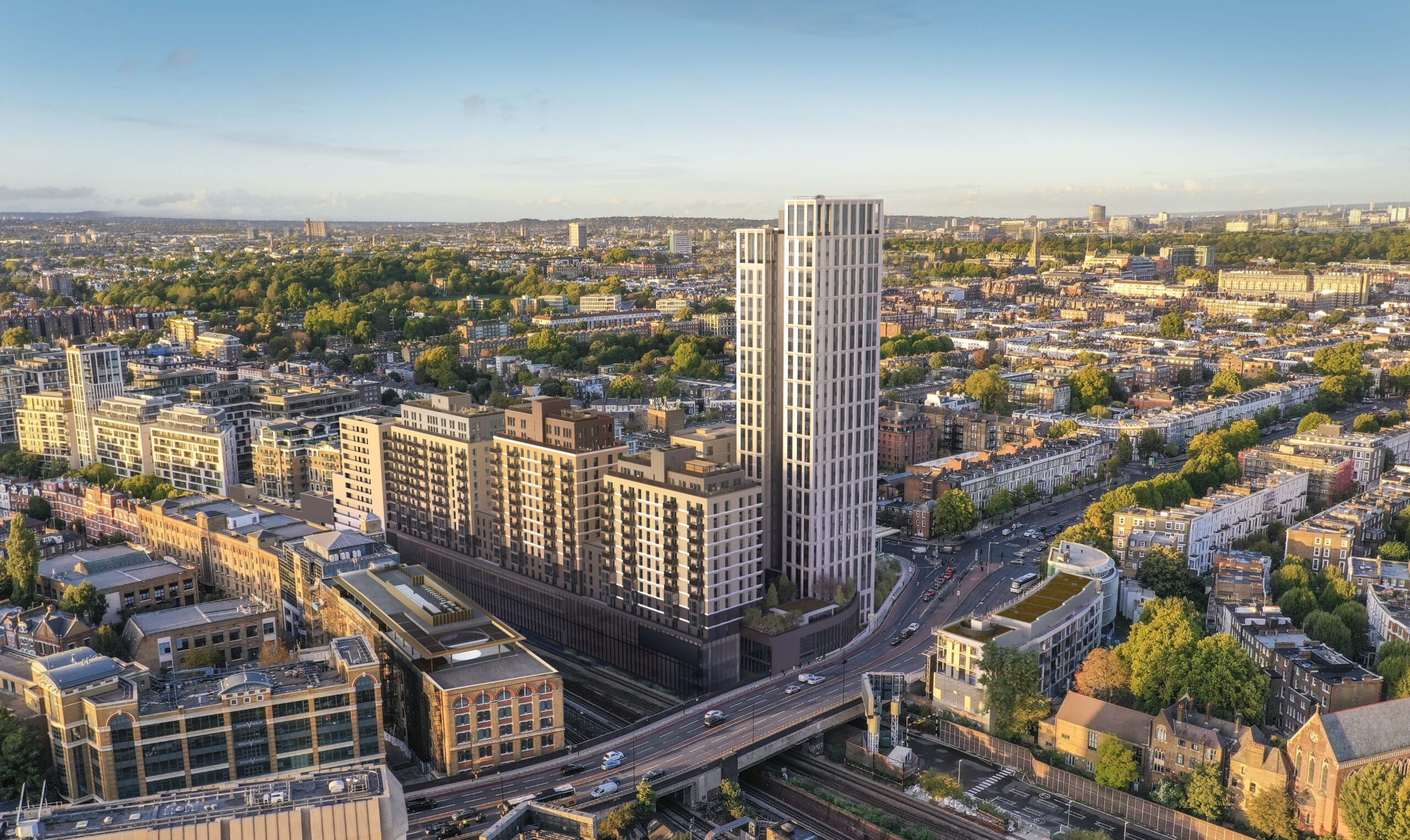
100 Kensington
- 276 exquisite private apartments in the highly sought after location of Kensington
- Features the tallest residential tower in the Royal Borough of Kensington and Chelsea
- Marketing suite now open for presales by appointment only.
LATEST ARTICLES
News and insights
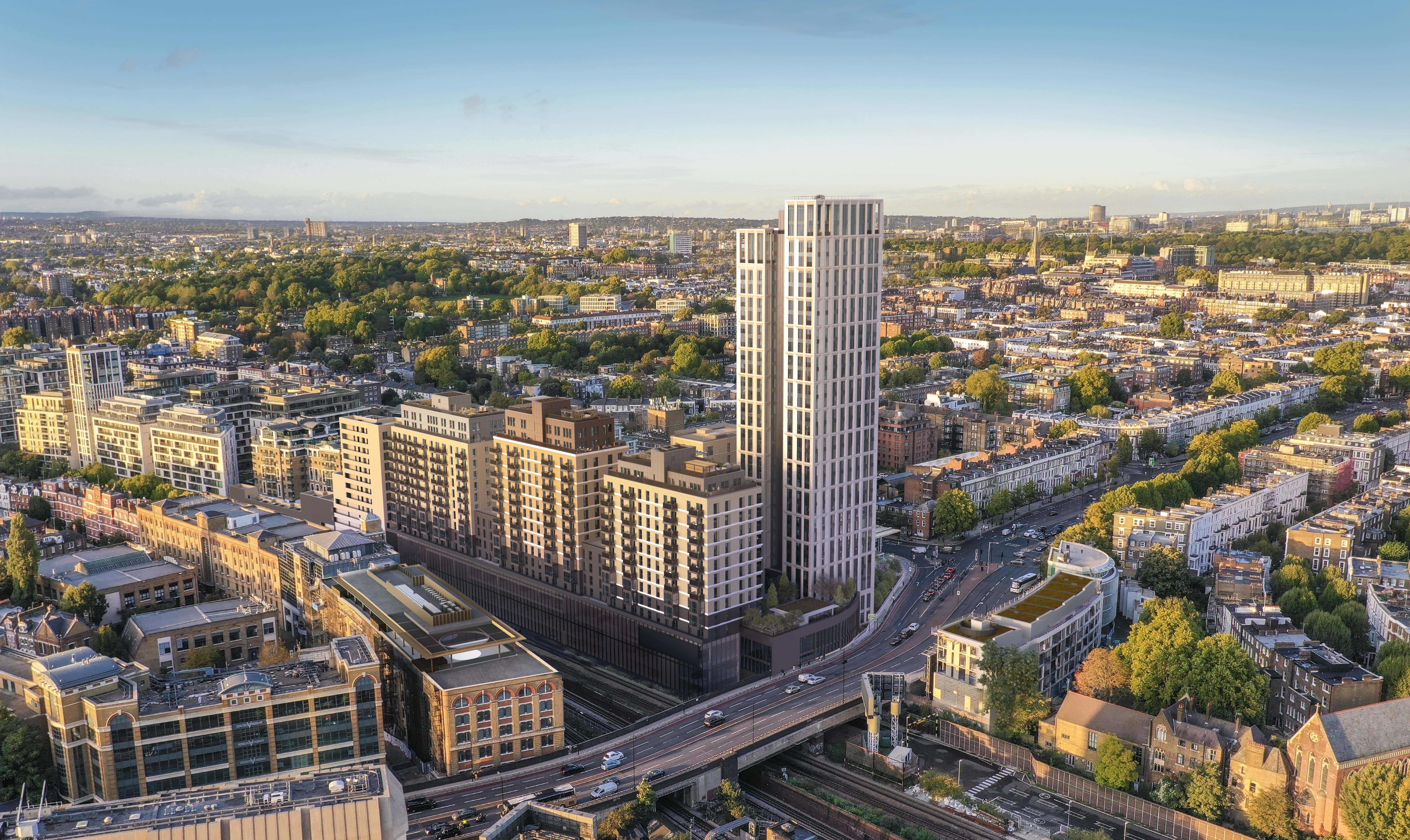
SevenCapital and Mark Announce Corporate Membership Agreement Between 100 Kensington and the V&A